What Is the Name of the Procedure That Is Performed to Assess the Intraocular Pressure of the Eye?
What is a Tonometry test?
Our eyes are filed with diverse types of fluid that bathes and nourishes the eye and drains out of the chambers with new fluid being formed. In some cases, the fluid drains as well slowly, causing pressure build-up. Tonometry uses a device called tonometer to measure the pressure inside the eye. This pressure is really the ratio between the corporeality of aqueous humour produced in the eye and the ease with which it leaves the eye.
What are the types of tonometry tests?
The most common forms of the tonometry tests are listed beneath.
Goldman Tonometry
In this method, a Goldman applanation tonometer is used that uses a probe to put slight pressure level on the surface of the cornea. The pressure with which the cornea pushes back is measured in terms of millimeters of mercury and is recorded past the doctors. This method provides the most accurate results and is likewise termed as applanation tonometry. It uses the Imbert-Fick mathematical principle to measure the pressure inside an ideal dry out, thin-walled sphere.
Non-Contact Tonometry
This method is also called as air-puff tonometry and the applanating force is a gentle puff of air which is emitted with gradually increasing intensity to flatten the cornea. Fifty-fifty though the results produced are not as accurate as those from a Goldman tonometer, information technology delivers a fast effect for children and sensitive adults.
Electronic Tonometry
This method uses a handheld, mobile device that an eye dr. tin conduct around with him to check heart pressure as required. The battery-powered device is often termed as the tono-pen. It uses a tiny plunger protruding microscopically from the center to take multiple readings from which an average effect is derived.
In many cases, a rebound tonometer, which is also a handheld, battery-powered device, is used. Information technology uses a plastic brawl continued to a steel wire which is operated past a spring. The deceleration of the ball every bit it touches the cornea is measured and converted by the device into IOP.
How common is glaucoma in Republic of india?
Glaucoma is one of the nigh common eye-related ailments in Bharat with more than 1 million cases being registered each year. This wide-spread ailment leads to a loss in vision and ultimately to blindness. The link between intraocular pressure (IOP) and glaucoma has been established for a long time and has remained every bit i of the prime factors in the diagnosis and treatment of the illness. A build-up of the IOP causes gradual impairment to the optic nerve that transmits signals to the encephalon and leads to glaucoma.
Glaucoma is at present considered a disease of the optic nerve and 5 different tests are used for the comprehensive diagnosis. In full general, tonometry and ophthalmoscopy are the two major tests used for making a diagnosis and for regular glaucoma check-ups.
Why do I need to test my IOP?
At that place are various causes of an increase in IOP, resulting in the damage of the optic nerve. The bones crusade can be related to a problem regarding the drainage of fluids from the heart due to a diversity of factors. Your doctor tin suggest checking the IOP through tonometry in case he suspects the development of glaucoma.
Since glaucoma is a silent disease, many people are affected by information technology without existence aware. With time it tin affect the peripheral vision, leading further to tunnel vision and finally resulting in incomprehension. There are a few factors that can increase your risks for developing glaucoma.
– The chances increase with age, especially when yous are above 50.
– In case yous have a family history of glaucoma or other congenital disorders.
– If there had been some injury in the eye.
– If you accept diabetes or hypothyroidism.
– Those who are far-sighted or near-sighted have higher risks.
– Individuals who have used corticosteroid medications for long periods.
– The excessive pigment in the front or anterior segment of the eye.
In case you take one or more of the post-obit symptoms, it is best to become yourself checked for glaucoma.
– A gradual loss of peripheral vision
– Centre pain or reddening of the centre.
– Blurred vision or viewing halos effectually lights.
– Vision issues in dim light conditions.
How is the tonometry test performed?
The Goldman tonometry examination, which provides the most accurate results, involves the post-obit steps.
– The surface of the eye is numbed by eye drops and a fine strip of paper containing a dye is brought in contact with the eye surface. The colored dye stains the entire surface of the eye to provide meliorate test results.
– The doctor then places a "slit-lamp" in front end of the optics and yous will residuum your chin and head on the supports in the instrument. The lamp is moved forrard slowly till the tip of the tonometer probe touches your cornea.
– The doctor observes the cornea through an eyepiece and takes a pressure level reading past adjusting a dial.
– Some handheld devices are also used in a like manner to measure out IOP, later applying anesthetic drops in the eyes.
Another common form of non-contact tonometry which is conducted with an air-puff device is performed as described under.
– Your eyes are placed in front of a device that is similar to a "slit-lamp". When the correct distance from the device is achieved, a tiny beam of light reflects off the cornea to a detector organization.
– Then a puff of air is used to slightly flatten an as a pocket-sized section of the cornea.
– This causes the reflected beam of light to move to a new position on the detector and this deviation is used to accept a reading of the IOP.
What is the price for a tonometry exam in India?
The charge of the test varies depending on the method and the testing centers in India. The price can range from Rs 200 to 1500.
When will I get the results?
Tonometry delivers fast results and they can be delivered within a few hours to a mean solar day.
What is the normal range for tonometry?
The normal intraocular pressure is between 12 and 22mm of Hg every bit mentioned past the Glaucoma Research Foundation. The unit used to measure force per unit area here is the "millimeters of mercury". A pressure reading higher than 20 mm of Hg may indicate the presence of glaucoma. In some cases, an eye injury, blood vessel bug and infections tin also result in a higher value of pressure.
Eye pressure is unique for each person and in some cases, glaucoma tin occur even within the normal range of pressure.
What do the tonometry test results mean?
As mentioned earlier, intraocular pressure is item for each individual and value of above 22 mm of Hg may not necessarily mean glaucoma. At the same fourth dimension, lower or normal values do non mean that the patient is gratis from glaucoma if at that place are other risk factors present. It is upward to a medical practitioner to evaluate the patient's status and advise that necessary course of activity.
Do I need to fast for a tonometry test?
There is no need for fasting while appearing for a tonometry exam.
What important things should I remember before a tonometry test?
| Dos | Don'ts |
| The best approach is to remain relaxed and calm during the test. | Keep contact lenses on during the tonometry exam. |
| Talk to the physician about any allergies that y'all might have prior to the test. | Wear whatsoever restrictive neckwear that might increase the pressure within the optics. |
| This is a painless procedure so you lot needn't worry unnecessarily. | Panic if you lot feel your optics numb. It is considering of the coldhearted driblet. |
Is a tonometry test safe for pregnancy?
There are no restrictions for pregnant women to appear for a tonometry exam.
How is a tonometry exam performed on babies and toddlers?
Using a traditional applanation tonometer on the new-borns is quite hard considering of the small size of their eyeballs, their inability to keep the optics open up, and the relatively large size of the prism of the tonometer. A tono-pen device because of its small size and easy handling, is a better choice for getting fast and accurate measurements in babies.
References
- https://world wide web.ncbi.nlm.nih.gov/pmc/manufactures/PMC5417509/
- https://medlineplus.gov/ency/article/003447.htm
- https://bjo.bmj.com/content/89/seven/847
- https://www.glaucoma.org/glaucoma/diagnostic-tests.php
Subscribe to free FactDr newsletters.
REVAMP YOUR
LIFE
Health
WELLNESS
If you're enjoying our website, we hope you lot'll admittedly love our new posts. Exist the beginning one to get a copy!
Get factually right, actionable tips delivered straight to your inbox once a calendar week.
We detest spam likewise. We will never share your email accost with anyone. If you change your heed after, you lot can unsubscribe with only one click

By clicking Subscribe, I agree to the FactDr Terms & Conditions & Privacy Policy and sympathise that I may opt out of FactDr subscriptions at any fourth dimension.
Trending Topics
Ferritin Examination Ferritin test is a blood test that provides vital information on the level of RBCs…


Pulmonary Office Tests Pulmonary function tests (PFT's) are non-invasive breathing tests employed for diagnosing and monitoring lung diseases…
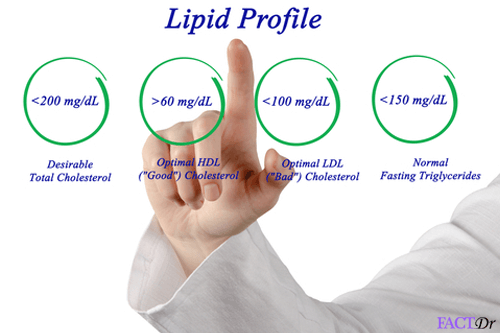
Lipid Profile Lipid profile is a blood test that provides complete information on how much cholesterol is…

Rubella IgG Test The rubella IgG examination is a blood test that checks for the rubella virus IgG…
Rheumatoid Factor (RF) Rheumatoid factor or RF is a claret test used to diagnose painful joint conditions such…


Post-Prandial Blood Carbohydrate Postprandial blood carbohydrate test is an important diabetes diagnosing tool. This simple blood test measure…

Thyroglobulin (TG) Test Thyroglobulin test helps in measuring and monitoring the concentration of thyroglobulin. This test can exist…


Amylase Test Amylase test is washed by checking the level of this poly peptide in the claret sample…




Erythropoietin (EPO) Examination Erythropoietin stimulates the product of RBCs in bone marrow. An erythropoietin test is washed to…


Immunoglobulin K Examination Immunoglobulin One thousand is the largest and the beginning produced antibiotic which helps in the prevention…

Serum Zinc Test The serum zinc test is a blood exam performed to assess the zinc level in…




HLA-B27 exam The HLA-B27 is a blood test that is used to determine the level of a…



Folate exam The Folate test measures and monitors the levels of folic acid in the claret. This…


Beta hCG Test A Beta hCG test measures the level of human gonadotropin hormones present in the blood…






Sputum test Sputum test is a commonly used diagnostic tool that is used to examine the presence…

Albumin Test Albumin examination or blood serum exam is a liver part test that measures the amount…


Bilirubin Test Bilirubin is a substance produced in the torso every bit a result of blood-red claret prison cell…

Serum Electrolyte If there is an electrolyte imbalance in the body, a serum electrolyte test will assist…
Lipoprotein (A) Examination Lipoprotein (A) examination is used to measure and monitor the levels of LDL(Low-Density Lipoprotein) in…





Hepatitis Profile A hepatitis profile or a hepatitis console is a blood test that checks for markers…

Abdominal CT scan Abdominal CT scan is a diagnostic imaging technique that provides a clear moving-picture show of the…
CA19.ix Test CA 19.9 is a cancer antigen that exists on the surface of cancer-causing cells. The…






Tonometry Tonometry uses a device called tonometer to measure the force per unit area within the centre. This pressure…









Cystoscopy Cystoscopy is intended to wait at the abnormalities in the ureters, float, and urethra, to…






Colposcopy Colposcopy is a elementary, quick and non- invasive diagnostic tool to look closely inside the…

Copper Serum Examination Copper serum test checks for abnormal levels of copper in the body. Both high and…
Androstenedione Exam Androstenedione is produced past the adrenal gland, the test of the levels of Androstenedione helps…





LP-PLA2 Test The LP-PLA2 test is a test which is carried out to assess the levels of…
Phimosis Read to know everything almost phimosis, types, symptoms, handling, risks and prognosis for patients with…






Thyroid Scan Thyroid scan is a diagnostic procedure that aims to view the thyroid gland and detect…



Vitamin B12 Test Vitamin b12 is an essential nutrient required for healthy performance of the nervous system and…

Rubella IgM Test The Rubella IgM test is a blood examination that is performed to diagnose the presence…




Cardiac Profile Cardiac profile is panel of blood tests performed to check cholesterol level and other heart…




Hymenoplasty Read on to find out all virtually hymenoplasty, the procedure, post-surgery care, the risks, and…










EKG – Electrocardiogram An electrocardiogram, abbreviated as an ECG or an EKG, measures the electrical activeness in the…

Lipase Test A lipase test is a claret test performed to quantitatively measure the level of the…















Thyroid Profile Thyroid profile is a panel of blood tests performed to check if an private is…

Ureteroscopy Ureteroscopy is the diagnostic procedure which is used for the detection of the kidney stones…





Cataract A cataract is the clouding of the natural lens of the eyes. Surgery is a…













Myelography Myelography is an important diagnostic tool that is used to investigate and identify abnormalities in…

Phenytoin test Phenytoin is a drug that is administered mainly to epilepsy patients. The phenytoin blood test…

Malaria Antigen Exam A malaria antigen exam is a rapid diagnostic examination (RDT) that tin detect malarial antigens…




Source: https://factdr.com/diagnostics/procedures/tonometry/
0 Response to "What Is the Name of the Procedure That Is Performed to Assess the Intraocular Pressure of the Eye?"
Post a Comment